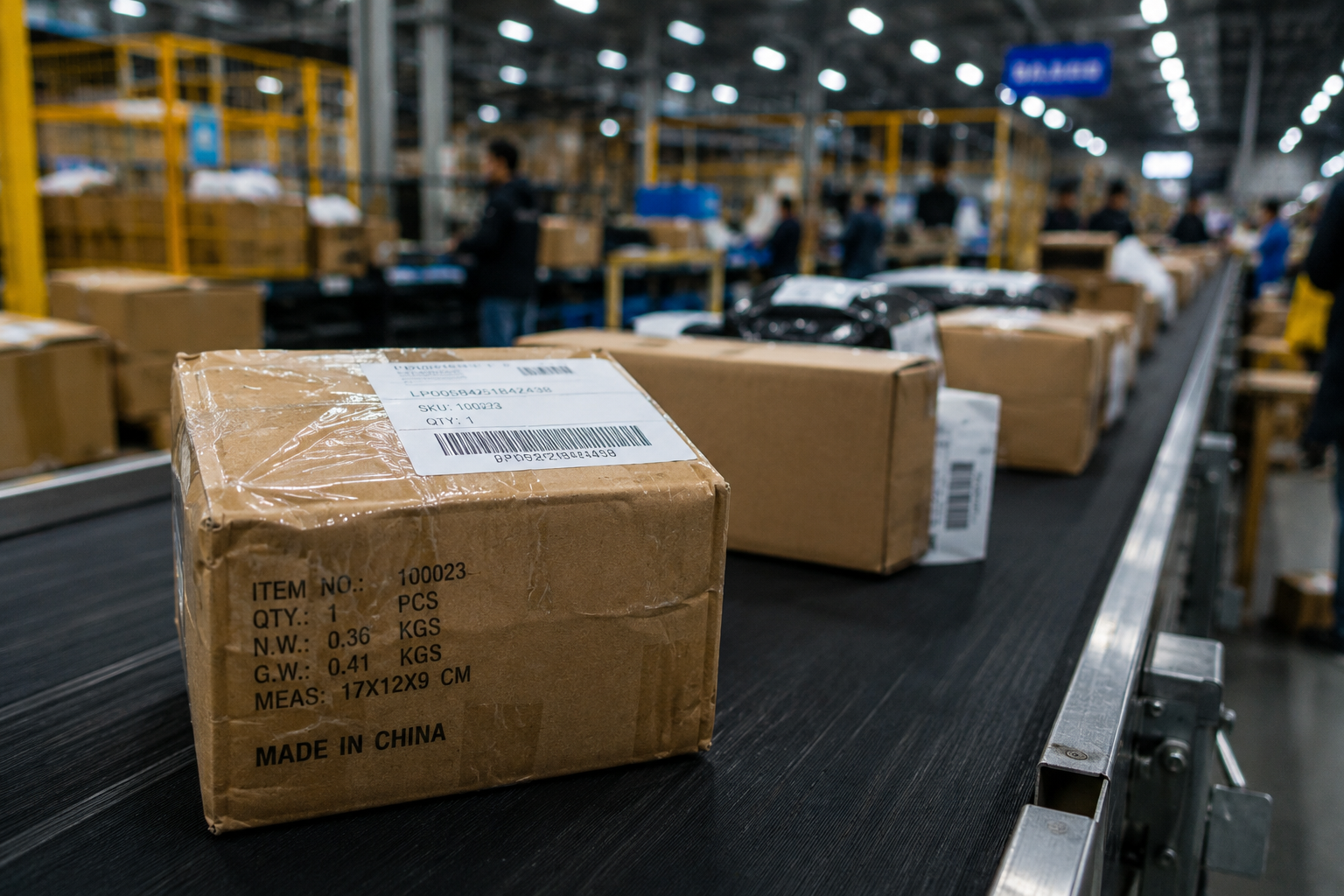
UK airports face a structural squeeze. Cargo demand keeps rising, but freighter slots remain scarce as passengers take priority. In 2018, nearly half of UK-bound freight bypassed domestic hubs and moved through Europe instead. By 2023, UK airports handled 2.5 million tonnes, yet reliance on continental gateways had not eased. The new deal between Ostend-Bruges Airport and LeShuttle Freight offers a faster option: a 2.5-hour corridor from Belgium to the UK for perishables, pharma, and e-commerce. A route that is fast, predictable, resilient.
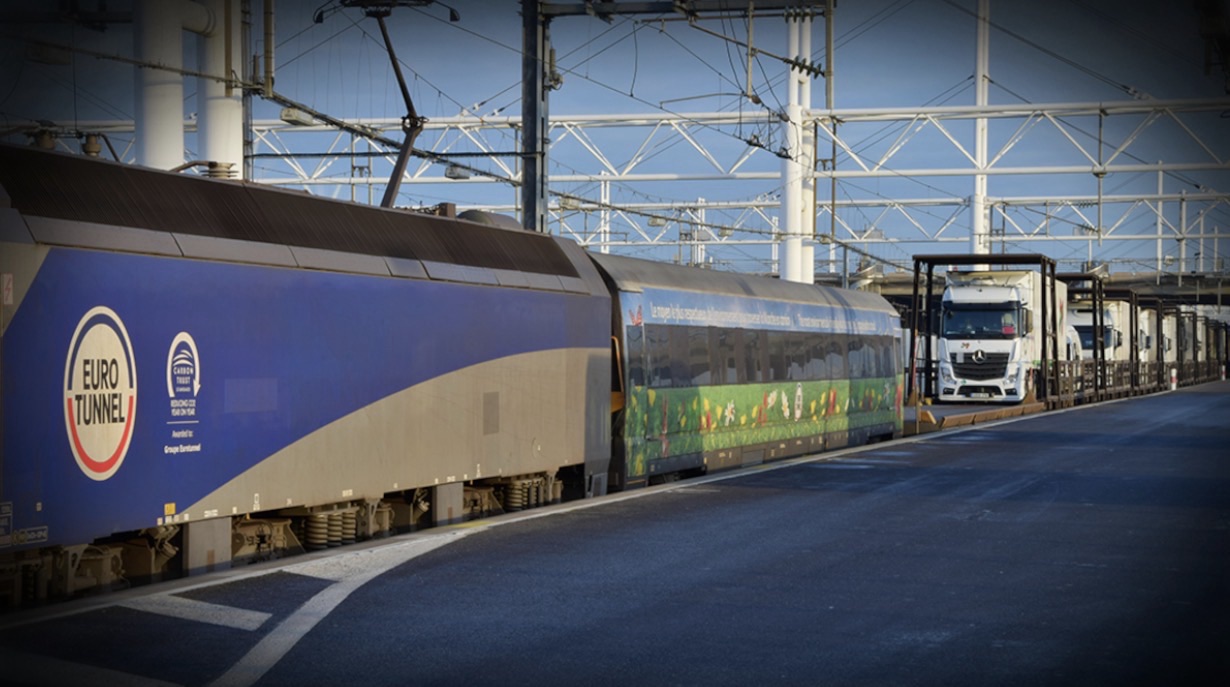
The route is straightforward. Freighters land in Ostend. Trucks drive 95 km to Coquelles. Cargo crosses the Channel Tunnel. In just over two hours, goods touch UK soil. For shippers, it is a real alternative to scarce slots in London.
The daily reality confirms the pressure. Air freight strategist Sally Dixon (Azimuth Associates) says Heathrow’s Cargo Airport Operators Council counts 250 trucks moving freight every day between Heathrow and continental hubs. Half go in, half go out. Even with 2.5 million tonnes processed at home in 2023, the UK cannot meet demand.
Benelux at the center
Amsterdam, Brussels, and Luxembourg anchor Europe’s cargo flows with strong infrastructure and long-established networks. In 2018, transport specialist Dixon estimated that Benelux hubs handled 1.7 million tonnes of UK freight, almost equal to the 2.0 million tonnes processed by UK airports. For shippers, Benelux is not just an option. It is part of the system.
Ostend sharpens this logic. The airport operates 24/7, free from slot limits. Its runway welcomes wide-body freighters. Two new hangars and 4,900 m² of offices are underway. Most importantly, Ostend is only 95 km from the Channel Tunnel. Proximity saves hours and preserves value. The airport also has history: decades ago, airlines such as Egyptair routed perishables into the UK through Ostend, reinforcing its role as a gateway.

Built for urgency
The corridor targets perishables, pharmaceuticals, and e-commerce — goods that lose value when delayed. According to the joint announcement by Ostend-Bruges Airport and LeShuttle Freight, the aim is to secure a reliable, time-critical flow between Europe and the UK. By linking Ostend’s flexible capacity with LeShuttle’s fixed service, operators cut risk and gain predictability. In today’s market, reliability counts as much as speed.
Looking ahead, wider risks remain. European airports may reduce freighter slots to meet climate targets. Border delays, like the 48-hour queues at Sevington in 2023, underline how fragile supply chains can be. For shippers, predictability now matters as much as cost. In this context, the Ostend–LeShuttle corridor is more than convenience. It is insurance. A resilient bridge between Europe and the UK.