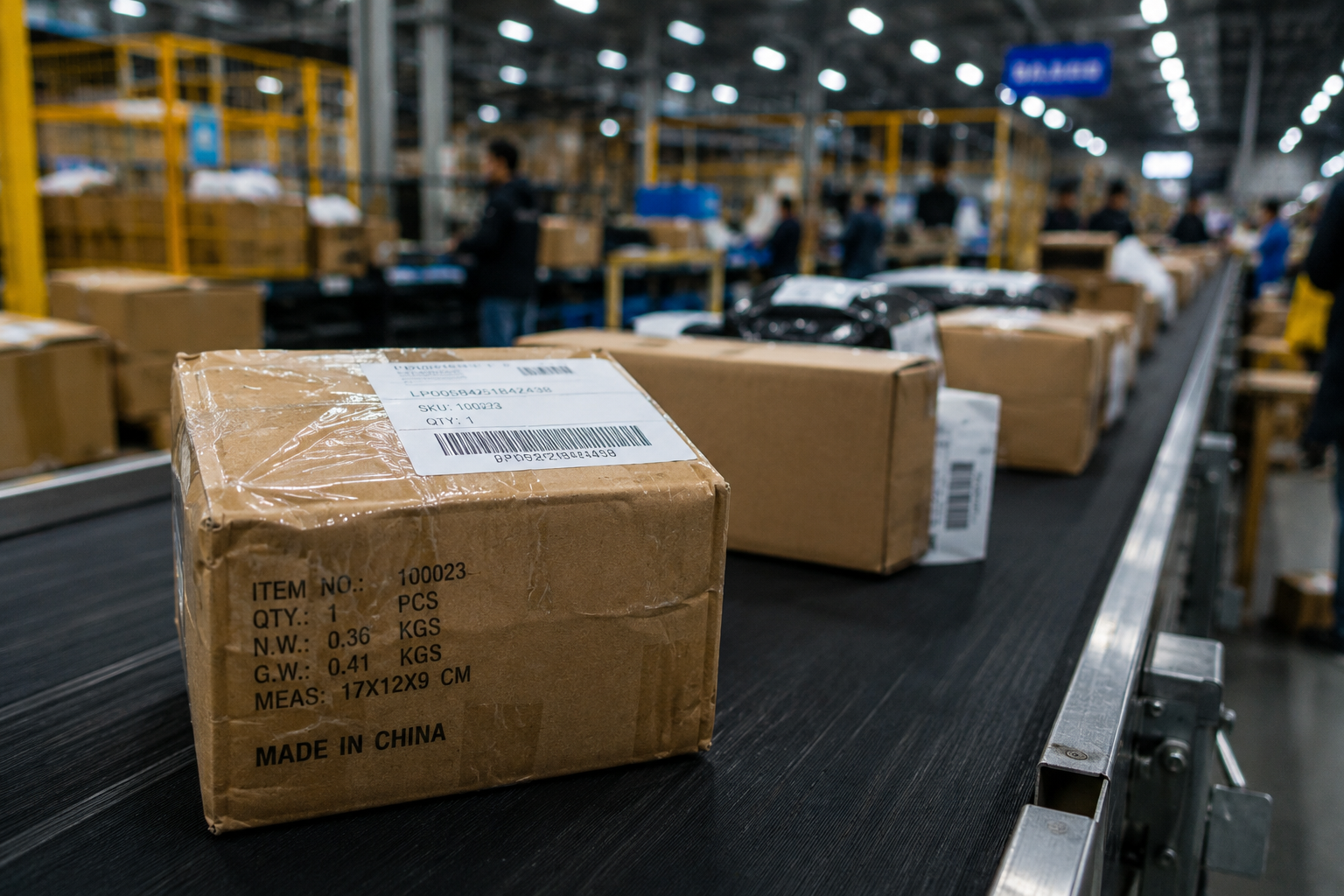
Since 1 July 2026, the EU has imposed a temporary €3 customs duty on categories of goods contained in e-commerce parcels worth less than €150. It is one step in a wider customs transition. From 1 November, new product identification requirements will become mandatory, with further changes planned for 2028.
The new rules come as Europe faces a rapid increase in small e-commerce imports. According to the European Commission, almost 5.9 billion low-value e-commerce items entered the EU in 2025, up 26% in just one year. China dominates these flows, accounting for 91% of e-commerce consignments worth less than €150 in 2024, according to the Council of the EU. The scale and rapid growth of these imports are putting increasing pressure on European customs controls.
What does this mean for air cargo?
The €3 duty is only one part of the changes. From 1 November 2026, Product Identifiers will become mandatory for low-value e-commerce imports, according to the European Commission. In practical terms, customs authorities will receive more precise information about the products entering Europe, making them easier to identify and control.
For Belgium, the connection with air cargo is significant. Liège Airport is a major European gateway for e-commerce shipments arriving mainly from Asia. According to the airport, around 1.35 billion e-commerce parcels passed through Liège in 2025 alone.
The transition will continue. The temporary €3 duty is expected to remain until 1 July 2028, when the EU plans to move towards normal customs tariffs as its new customs system for e-commerce becomes operational.
For cargo operators and European hubs, the issue therefore goes beyond a €3 charge. Europe is gradually changing how billions of e-commerce shipments are identified, controlled and taxed at the border.