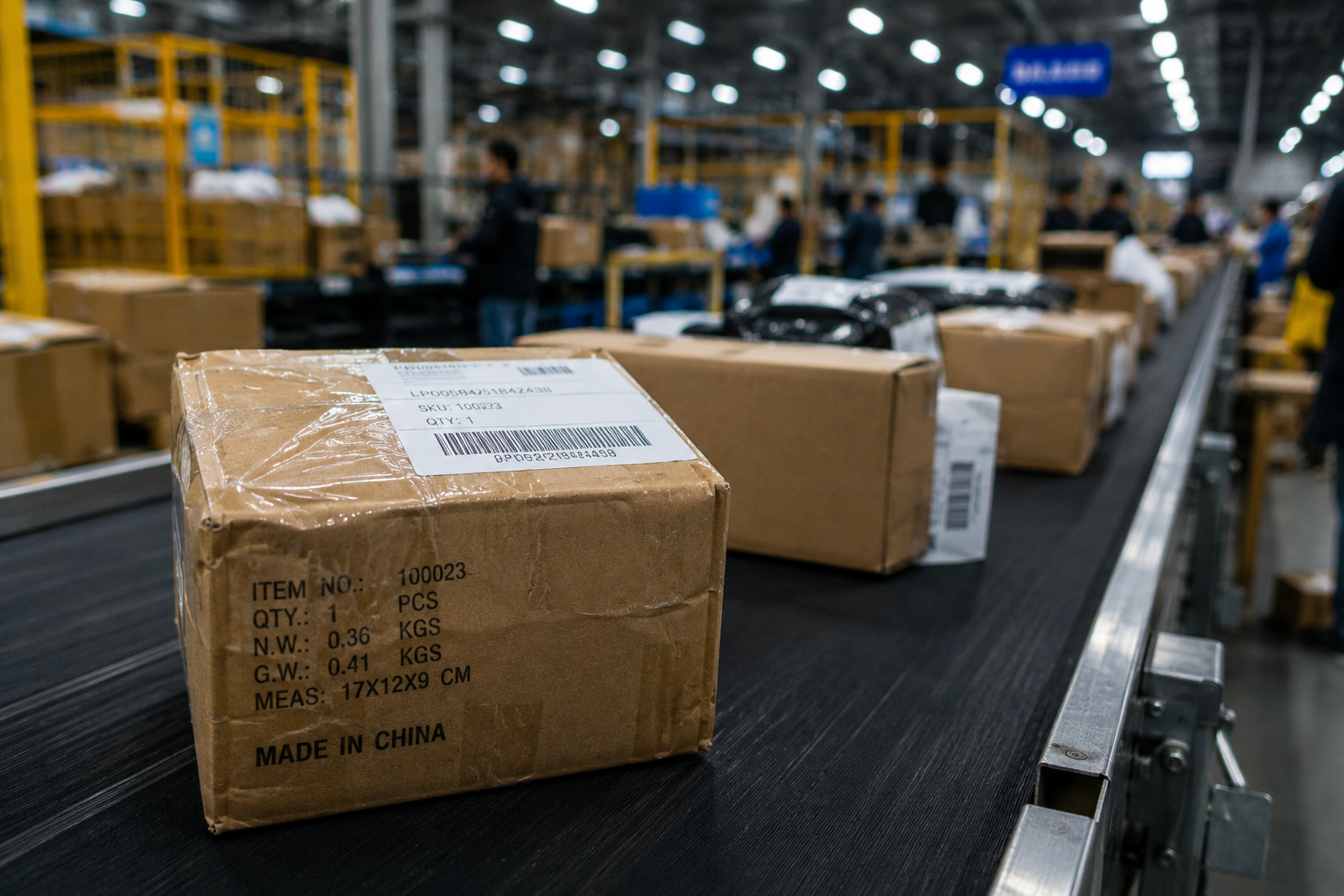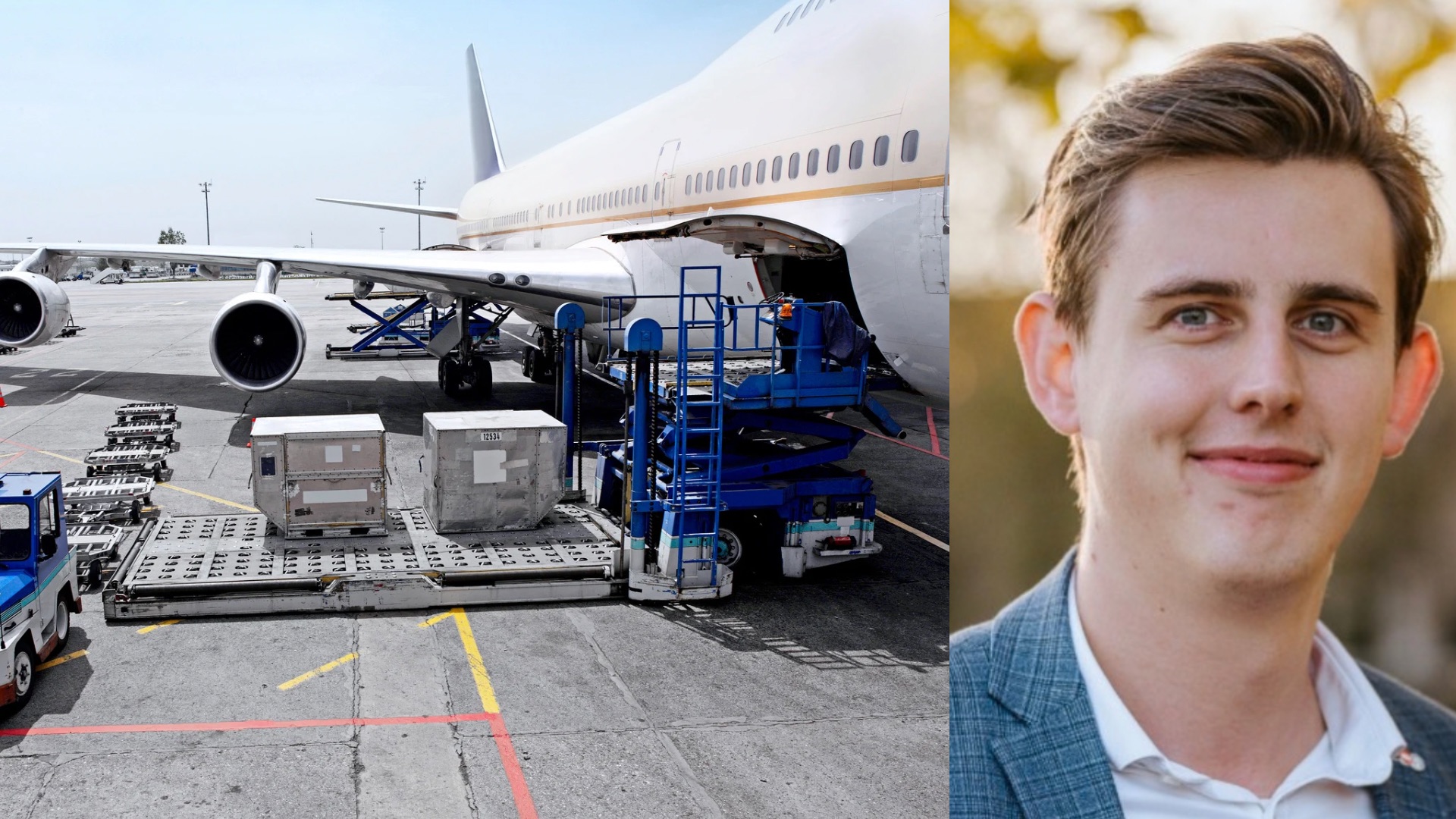
Lower e-commerce volumes, cancelled rotations and financial pressure are emerging since the EU’s €3 customs duty took effect on 1 July. Air Cargo Belgium says the impact is clearlyvisible in Belgium, particularly in Liège. At the same time, operators are preparing for the next wave of European customs changes.
For Nathan Goethals, Project Manager at Air Cargo Belgium (ACB), the first challenge came before implementation. Customs authorities, software providers and operators had limited time to adapt their systems to the new requirements.
Now, the pressure has moved from preparation to operations. Some companies have lost volumes, while rotations have been cancelled. Nathan also points to consequences for employment. “We see rotations that are being cancelled, and we do hear of companies that have had to take unfortunate decisions for their staff,” he explains.
Liège takes a bigger hit
Liège is particularly exposed because of its strong e-commerce activity. In July, e-commerce parcels handled in the Liège-Bierset customs area fell 24% year-on-year and 41% compared with June. However, total cargo tonnage still increased by 4% year-on-year. Overall cargo activity is therefore not collapsing. Instead, e-commerce flows appear to be shifting. Brussels is less exposed to the change. According to the Project Manager, its more diversified cargo mix makes it less dependent on e-commerce than Liège.
The €3 duty is also a financial challenge
Collecting the new duty at scale quickly became another challenge. With a very high number of e-commerce declarations, Belgium opted for a guarantee mechanism rather than processing each €3 payment individually. According to Nathan, initial calculations could have required some operators to secure guarantees worth substantial amounts. Belgian customs later adapted its approach. “No company can get that within a few weeks. That’s impossible,” he says. Companies that prepared early appear to be in a stronger position. Some communicated with their clients and organised mechanisms to anticipate the additional financial requirements. Some operators are also starting to rethink their business models. According to Nathan, European customs is encouraging more goods to enter Europe in bulk through B2B flows before being distributed within the European market.
Customs becomes a competitive tool
The €3 duty is not the final change. Product data requirements, the future EU Customs Data Hub and trusted operator programmes are putting customs and data higher on the cargo agenda. This could also create an opportunity for Belgium. As European customs rules become more harmonised, competitiveness may increasingly depend on how efficiently operators understand and implement them. “If you want to have that competitive edge on customs, I don’t think in the future it will be on finding loopholes. It will be on finding ways to understand what these new regulations mean and fully taking advantage of it,” the Project Manager explains. Belgium has faced significant pressure because of its exposure to e-commerce. That experience is also building expertise. For Belgian air cargo, the next challenge will not only be attracting volumes. It will also be mastering the customs system behind them.