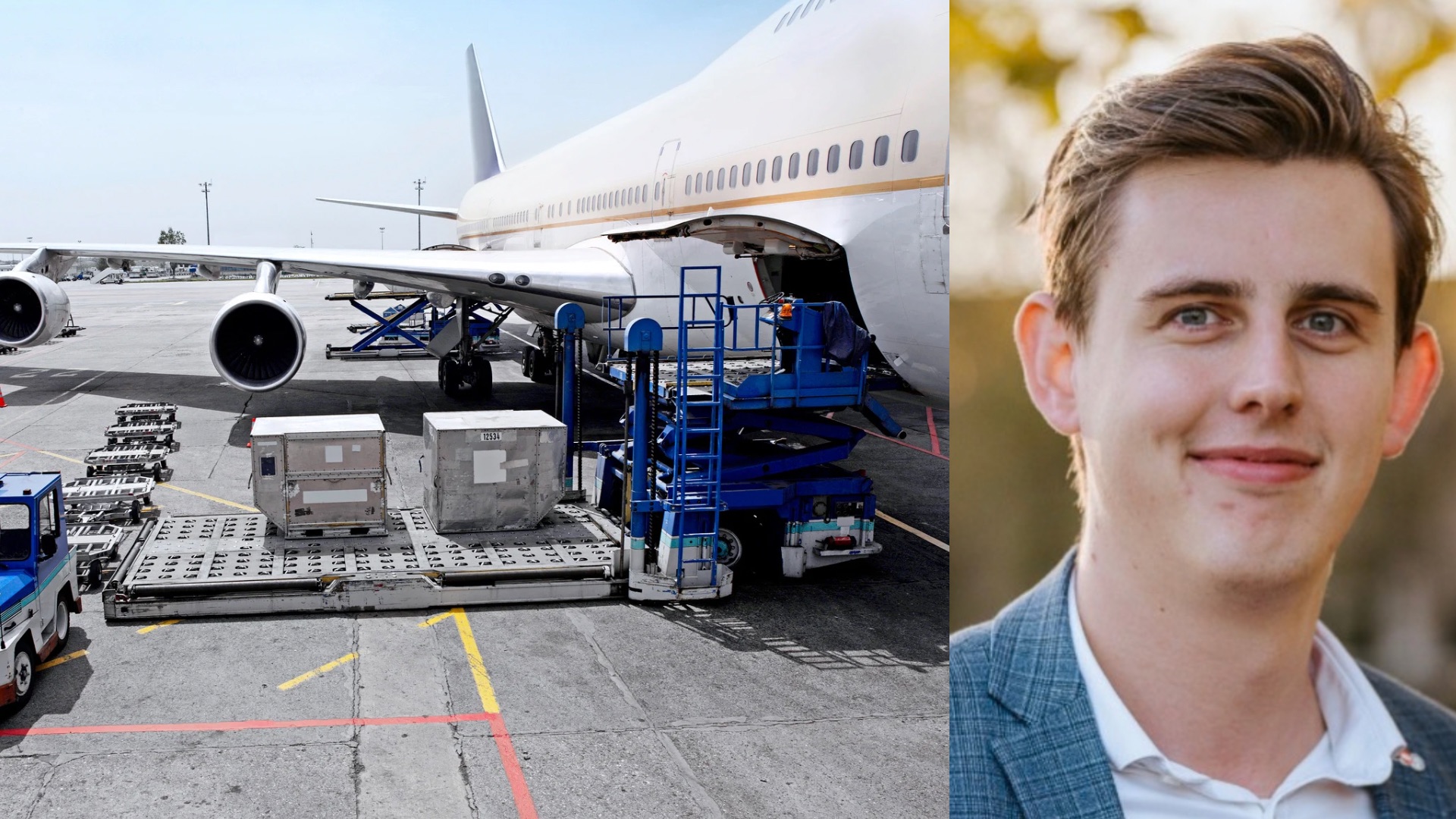
As Africa’s air cargo sector navigates rising fuel costs, geopolitical uncertainty and infrastructure challenges, connectivity remains at the heart of future growth. In this interview, Astral Aviation CEO Sanjeev Gadhia shares his views on the impact of the Middle East crisis, the importance of regulatory reform, the rise of e-commerce and the opportunities shaping the continent’s cargo market. He also reflects on leadership, resilience and the role trust plays in building a sustainable air cargo industry.
How would you describe the current state of the African air cargo market?
The African air cargo market is currently facing significant challenges linked to the crisis in the Middle East. Rising fuel prices have increased operating costs, particularly for perishable exports destined for Europe and the Gulf region. As a result, some customers are cancelling orders and export volumes have declined. While import flows remain relatively stable, the broader economic impact of the crisis continues to affect African trade.
How does African air cargo compare with the European market?
Africa remains highly dependent on Europe, which receives around 60% of the continent’s exports. However, reduced capacity and higher transport costs have weakened demand, particularly for flowers and other perishables. Fuel and security surcharges have made air freight more expensive, while the peak season has already passed. The industry is now navigating a slower period and focusing on recovery.
What are the biggest operational challenges for cargo airlines in Africa today?
Geopolitical instability remains a major concern. Several African countries continue to face conflict, while rising fuel costs and supply shortages add pressure on airlines. Infrastructure limitations also remain an issue, as many airports lack the facilities required to efficiently handle large cargo aircraft.
If Africa could solve one challenge first, what would it be?
Regulation. Modernising aviation regulations would improve connectivity and encourage investment. Africa consists of more than 50 countries with different regulatory frameworks, creating barriers to growth. Issues such as traffic rights and fifth freedom rights remain essential for expanding air cargo networks across the continent.
How do infrastructure challenges affect air cargo operations in Kenya and across Africa?
Kenya benefits from relatively good roads and airport infrastructure compared to many neighbouring countries. Infrastructure projects take years. If you didn’t start five years ago, you’re already late. However, reduced passenger flight frequencies have created capacity constraints across the market. Elsewhere on the continent, infrastructure gaps remain significant. Countries such as the Democratic Republic of Congo, Chad and the Central African Republic still require substantial investment, while Côte d’Ivoire and Angola have made notable progress in recent years.
“Infrastructure projects take years. If you didn’t start five years ago, you’re already late.”
What role will Sustainable Aviation Fuel (SAF) play in Africa’s future?
SAF is important for the long-term sustainability of aviation, but it is not currently a priority for many African operators. Airlines are focused on maintaining profitability and managing rising fuel costs. Since SAF remains more expensive than conventional jet fuel, widespread adoption is likely to become a more realistic objective closer to 2030.
How is e-commerce transforming African air cargo?
E-commerce has grown significantly since the COVID-19 pandemic. While adoption in Africa remains behind more mature markets, growth is accelerating, particularly in countries such as Nigeria and South Africa. Over the next few years, e-commerce is expected to become an increasingly important driver of cargo demand across the continent.
What are the main opportunities and risks for Kenya’s flower export industry?
Reliability is the key challenge. Flowers are highly time-sensitive products, making supply chain resilience critical. Exporters need stable pricing, dependable logistics and effective contingency plans to manage operational disruptions. Maintaining customer confidence in major markets such as Amsterdam is essential to protecting jobs and sustaining growth.
Looking back on your journey with Astral Aviation, what is the most important lesson you have learned?
Keep your promises. Air cargo is fundamentally a service business built on trust. When challenges arise, transparency and communication are crucial. Customers are generally understanding when they are kept informed. Leadership also plays a vital role in creating a culture of accountability throughout the organisation.
If you could change one thing in African air cargo policy, what would it be?
I would advocate for stronger independent regulation and less direct political interference. In many cases, government involvement can lead to decisions that are not aligned with the industry’s long-term interests. Independent regulators can provide greater stability and help create an environment where airlines can grow sustainably.