E-commerce is reshaping air cargo faster than ever. Regional airports are adapting to new market pressures, while sustainability and operational efficiency remain major challenges. During a candid conversation, cargo and logistics consultant Steven Verhasselt shared his perspective on the realities behind today’s air cargo industry.
Savannah Aviator: You strongly advocate for a “boots on the ground” approach. What does reality on the ground show that data often misses?
Steven Verhasselt: Data is important, but cargo doesn’t move itself. Somebody still has to load the aircraft, unload it, prepare the documents and make sure customs requirements are met. That’s why I believe you need both data and operational understanding: real boots on the ground. The logistics chain combines both data management and physical operations. You need to understand how cargo actually moves inside warehouses, what different cargo types require and how operational processes function in reality.
Data is important, but cargo doesn’t move itself.
Savannah Aviator: When working with an airport, what is the first thing you focus on?
Steven Verhasselt: First, the operational basics: which aircraft can land, fuel availability, road connectivity and parking positions. Then comes the cargo community. Airlines, handlers, forwarders and customs all need to work together. Cargo development is never a one-man job. After that comes the market itself. Is the airport import-driven or export-driven? In cargo, unlike passengers, freight does not automatically travel back. Airports need both inbound and outbound cargo to keep operations sustainable.
Savannah Aviator: Some people call you a “cargo guru” or “the king of strategy.” Can a cargo strategy fail?
Steven Verhasselt: First of all, I don’t like the term “cargo guru.” Cargo is a group effort. And yes, strategies can fail. When I started at Liege Airport, nothing happened during the first four years. We believed in the strategy, but no cargo came. It took years of consistency and patience before things finally started moving. Today, Liege is recognized across the industry. Getting cargo in is relatively easy. Keeping it sustainable is the real challenge. There is no magic formula. The real secret is consistency, hard work and being ready when opportunities arrive.
Getting cargo in is relatively easy. Keeping it sustainable is the real challenge.
Savannah Aviator: What is the biggest operational bottleneck today if a regional airport wants to scale e-commerce seriously?
Steven Verhasselt: Everything has to be ready before operations start.
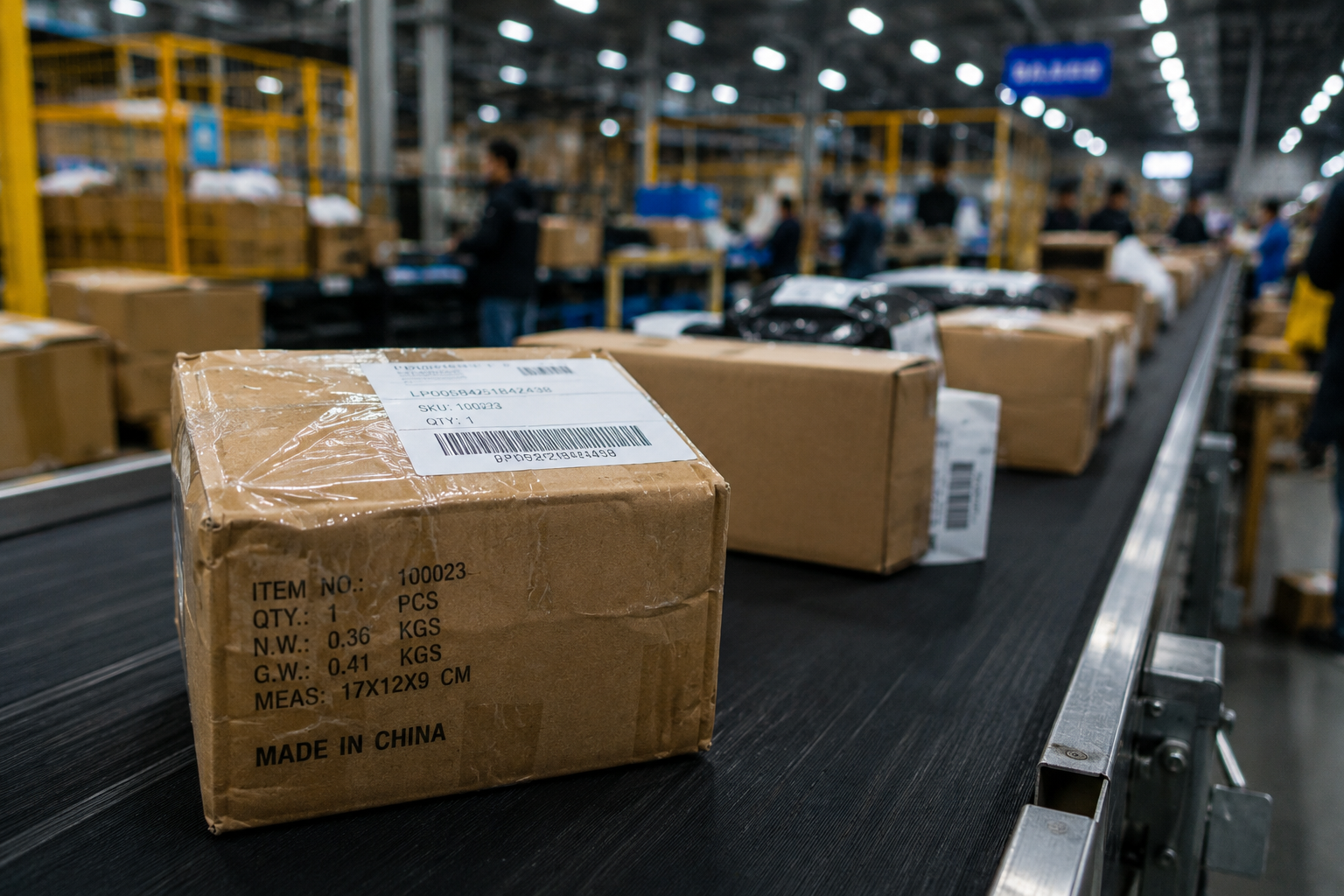
You need connectivity, handling capacity, customs efficiency, forwarding solutions and last-mile delivery systems already in place. And once e-commerce arrives, it arrives big. Platforms may immediately start with several weekly frequencies. That means airports must be operationally ready from day one. You only get one chance to make a first impression. If the airport fails during the testing phase, customers may never come back.
Savannah Aviator: Can every regional airport become a successful e-commerce gateway?
Steven Verhasselt: No.
If your airport cannot handle medium wide-body freighters like a Boeing 767 or Airbus A330, you probably should not aim to become a major e-commerce gateway. That does not mean the airport cannot succeed. It may simply be better positioned as a regional spoke for express operations rather than as a primary gateway. Every airport needs to understand its physical limitations.
Savannah Aviator: What is currently slowing down e-commerce development in Europe?
Steven Verhasselt: Uncertainty.
The debate around European parcel taxes and handling fees is creating hesitation. Companies do not know what rules will apply, when they will apply, or whether regulations will differ between countries. That uncertainty discourages investment. Personally, I believe cargo will continue flowing regardless. Demand from Western consumers and production in Asia are not going to disappear anytime soon. Cargo always finds its way.
Savannah Aviator: Sustainability is clearly an important topic for you. What does “sustainability through efficiency” mean?
Steven Verhasselt: For me, sustainability starts with optimizing what already exists. Many trucks on European roads are only partially full. The same applies to aircraft and cargo facilities. Sometimes the infrastructure already exists, but inefficient processes create congestion and waste capacity. If you improve operational efficiency, you can reduce environmental impact without necessarily investing in additional infrastructure. I support sustainable aviation fuel. But operational optimization can sometimes have an even greater impact.
Savannah Aviator: If you could change one thing in air cargo policy, what would it be?
Steven Verhasselt: Open skies for freighters.
Passenger traffic agreements are based on bilateral routes: fly from one country to another and back again. Cargo doesn’t work like that. Freighters follow demand. They need operational flexibility. Freighters go where the cargo demand is.
Savannah Aviator: What experience has taught you the most throughout your career?
Steven Verhasselt: I think the biggest lesson throughout my career is that you never know everything. You have to stay open-minded and keep learning. When I started working in cargo more than twenty years ago, almost nobody knew Liege Airport internationally. At the beginning, nothing really happened. We believed in the strategy, but it took years before things started moving. That experience taught me that nothing comes for free in this industry. You need patience, flexibility and consistency. You also need to be ready when opportunities appear. And honestly, I believe the industry now needs young talent more than ever. COVID made cargo important. E-commerce made it sexy. Young professionals bring new energy and a different vision. Air cargo is evolving very fast, and the sector now needs people who are ready to learn, adapt and grow with it.